
“Will I get hurt?”
It’s one of the most common questions (and fears) we hear from people starting a new fitness program.
It’s a fair question, especially if your picture of weightlifting comes from horror stories you’ve seen or heard about. It’s easy to assume injury is the price of results: train hard, get hurt.
But the movements we train aren’t exotic. They’re the movements we were born to do: picking up a bag of mulch is a deadlift, standing up while holding your kid is a weighted squat, and putting your bike on the roof rack is a press. Life already asks you to do them. Our goal in the gym is to help you do them well, and eventually with intensity (speed, load, or both), because that’s what gives us the freedom we want in our bodies.
At Roots, safety and intensity work together. Intensity is relative: it’s measured against your strength, your skill, and how you’re feeling today, which is exactly what scaling is for. And the order from our last post (mechanics, then consistency, then intensity) is our safety plan. The things that keep you safe are the same things that let you keep training hard for years.
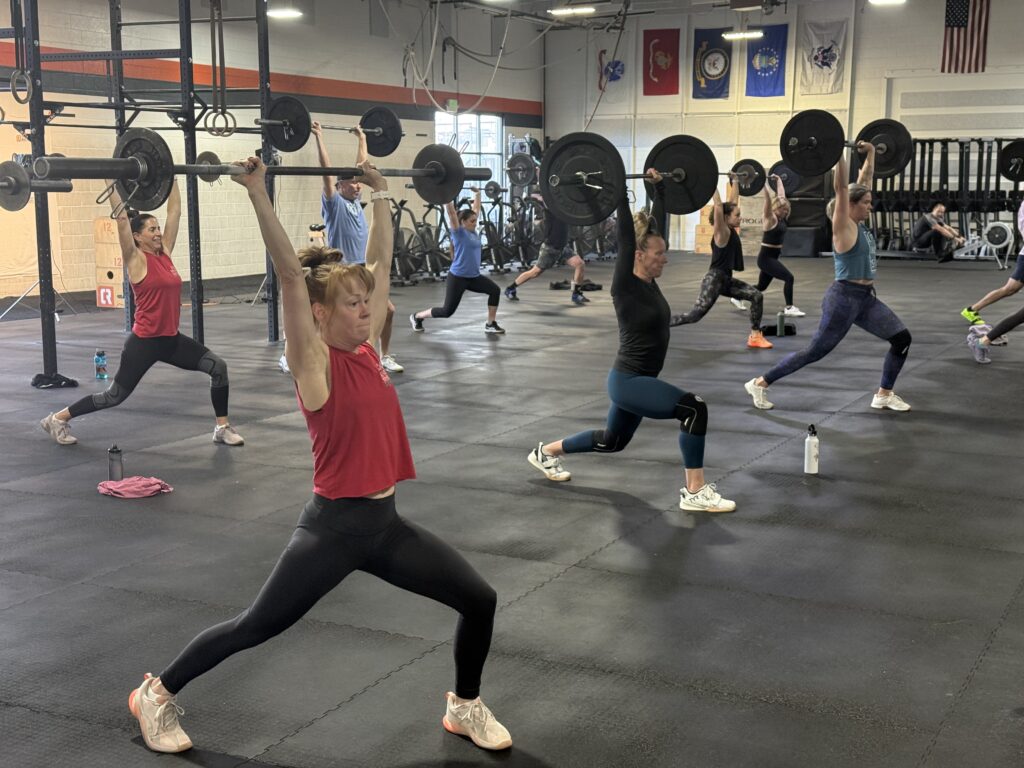
Your coaches manage that balance for every athlete in every class. Your part is simple: leave your ego at the door, work with your coach to choose the right load for the day, and tell us when something doesn’t feel right.
A side note: throughout your CrossFit career, you’re going to have tweaks. Maybe you tweak your knee playing intramural soccer, or come home from a ski tour with a sore back. Consider this the first of many reminders: keep coming to class. Movement is medicine, and we’ll help you train the body you have while you work through it. Bottom line: a tweak is not a reason to stop training!
CrossFit’s Stephane Rochet lays this out better than almost anyone, so this week, I’m handing you off to him.
Read it here: Safety and Intensity Are Not at Odds in CrossFit
Your one thing this week
Read Stephane’s article. Then, before your next class, tell your coach about any old injuries, surgeries, or nagging aches, even the ones that seem “not a big deal anymore.” It takes 30 seconds, and it helps us coach you better from day one.